






Scaling an eCommerce brand in 2026 requires more than just high-frequency publishing; it demands a structural approach to topical authority that search engines and AI models can actually map. Many growth teams struggle with content fragmentation, where dozens of isolated articles compete for the same keywords without ever signaling deep expertise. This inefficiency doesn’t just hurt organic rankings—it creates a disjointed user journey that fails to move customers from high-level awareness to specific, intent-driven solutions.
The shift toward content hubs anchored by pillar pages represents a fundamental change in how high-growth brands organize their intellectual property to capture compound interest on their marketing spend. By consolidating broad topics into comprehensive pillars and branching into granular cluster content, you create a self-reinforcing ecosystem that drives both search visibility and retention. This guide examines eight high-performing pillar page examples to demonstrate how strategic architecture turns scattered blog posts into a commercial asset that sustains long-term customer acquisition.
What is a pillar page and how does it drive eCommerce growth?
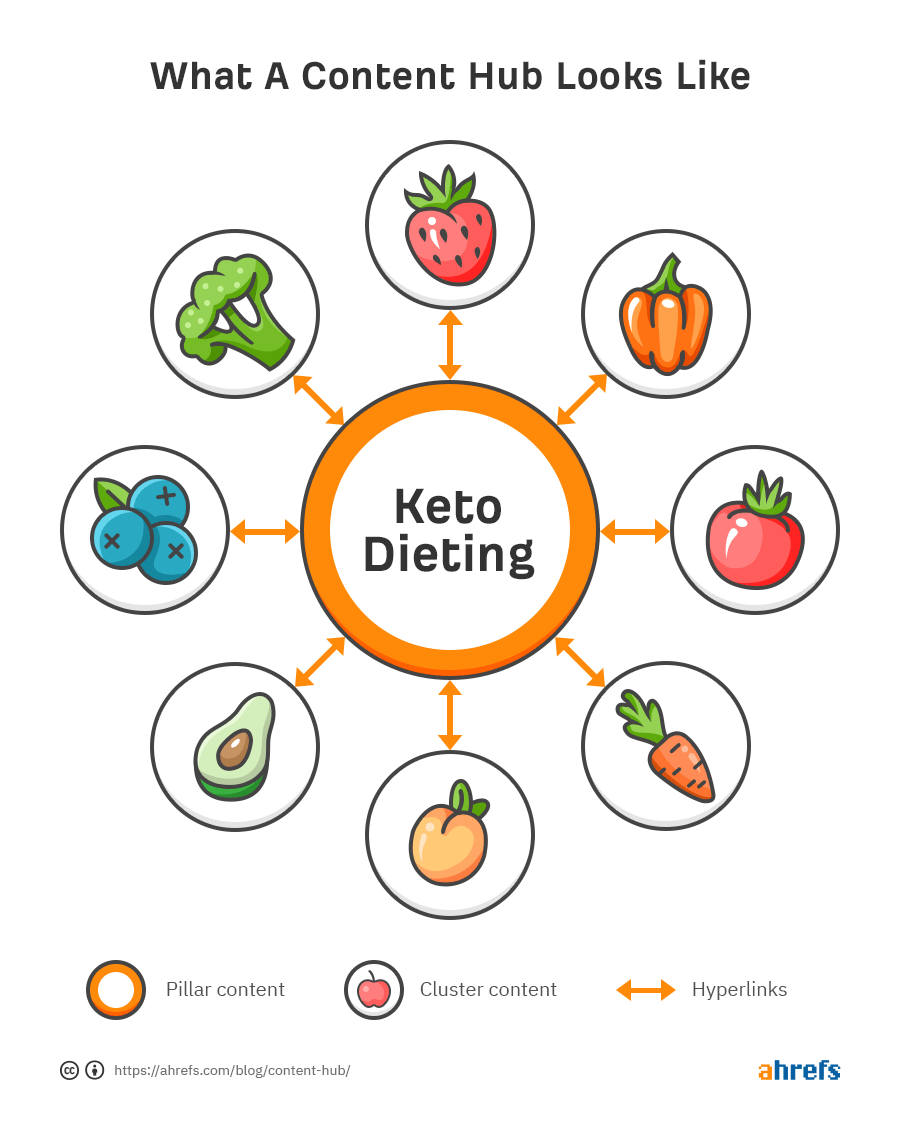
A pillar page serves as the central hub of a content cluster, providing a comprehensive, high-level overview of a broad core topic while programmatically linking to more detailed “spoke” articles. For WooCommerce brands, this architecture replaces fragmented content with a unified topical map that signals deep authority to search engines. By consolidating internal link equity and organizing information into a logical hierarchy, a pillar page acts as a structural foundation that is more resilient to algorithm shifts than isolated, keyword-focused posts.
- Topical Authority: Aggregating multiple sub-topics under one hub demonstrates to AI-driven search systems that your brand is a recognized entity for that specific niche.
- Enhanced UX and Retention: A well-structured pillar page allows users to easily scan for the specific information they need, increasing time-on-site and reducing bounce rates—both positive signals for high-quality user experience.
- Scalable Funnel Architecture: The hub-and-spoke model allows you to transition broad educational traffic into high-intent conversion pages, effectively automating the journey from discovery to revenue expansion.
Implementing this strategy within a WooCommerce ecosystem transforms your blog from a simple news feed into a high-performance engine for organic growth. By focusing on entity-based content strategy rather than just volume, high-growth brands can maximize their search visibility and capture customer intent across the entire lifecycle.
Why are pillar pages essential for WooCommerce SEO strategy?
For high-growth WooCommerce stores, a pillar page strategy is essential for transitioning from keyword-based tactics to a model of topical authority. By creating a comprehensive resource that covers a broad topic in-depth and linking it to more granular cluster content, you establish a clear site structure that helps search engines understand the relevance and hierarchy of your store’s information. This architecture allows your site to channel link authority from detailed guides back to the main pillar, significantly boosting your rankings for high-volume, competitive terms.
- Topical Authority: Consistently covering broad themes and their subtopics signals to Google that your brand is a deep subject-matter expert, which is a critical ranking factor in modern SEO.
- Targeted Keyword Reach: Pillar-cluster structures allow you to naturally capture both high-competition head terms and specific, long-tail queries that often have higher conversion intent for eCommerce.
- Optimized User Experience: Acting as a central content hub, pillar pages improve navigation and keep potential customers engaged within your ecosystem longer, reducing bounce rates and building brand trust.
Implementing this framework effectively shifts your WooCommerce store from publishing isolated, unlinked blog posts to maintaining a high-performance engine for non-branded traffic. By providing a structured journey from broad information to specific solutions, you maximize your Customer Lifetime Value (LTV) and create a sustainable, compounding stream of organic revenue that legacy keyword-stuffing methods can no longer achieve.
How to create a content hub for automated marketing funnels?
Creating a content hub for automated marketing funnels transforms your WooCommerce site from a collection of static posts into a dynamic revenue engine. By anchoring your strategy with a comprehensive pillar page, you establish a centralized knowledge system that guides high-intent visitors through a logical progression of discovery. This structure allows you to map specific search intents across a cluster, ensuring that each detailed “spoke” article serves as a targeted entry point that feeds back into your primary conversion hub.
- Keyword Clustering: Group related subtopics around a core “head term” to build a topical map that signals deep expertise to search engines and AI systems.
- Strategic Interlinking: Use internal links as the connective tissue to distribute authority across the cluster, ensuring mission-critical pages receive the most link equity to improve rankings.
- Behavioral Triggers: Design the hub to capture different user intents through multi-format content, such as checklists and videos, which can trigger automated email sequences based on specific engagement metrics like page depth or downloads.
For high-growth brands, the technical execution of a content hub is essential for avoiding keyword cannibalization and improving crawl efficiency. By regularly updating your pillar and its supporting clusters with new data and internal links, you maintain a fresh, authoritative resource that earns sustainable organic traffic and provides a clear, frictionless path from initial search to final conversion.
What are the best pillar page examples for high-growth brands?
For high-growth WooCommerce brands, the best pillar pages serve as comprehensive resource hubs that anchor broad, high-volume keywords while systematically funneling users toward high-intent cluster content. These pages are designed to signal deep topical authority to search engines by organizing a vast library of existing content into a logical, interconnected hierarchy. By acting as a central repository for a core business topic, a well-executed pillar page can boost organic visibility by up to 40% and improve the flow of internal link equity across your entire site architecture.
- Service-Oriented Resource Hubs: These pillar pages focus on a core service category, such as apartment cleaning, and link out to detailed subtopics like specific cleaning FAQs and specialized service guides to maximize conversion rates.
- Educational Comprehensive Guides: Examples include deep dives into broad industry topics like “Content Marketing” or “SEO,” which provide a high-level overview and then link to technical cluster articles to capture both broad and long-tail search traffic.
- Product Category Pillars: For eCommerce, these pages function as “super-categories” that go beyond a simple product grid by providing foundational knowledge about a product line, thereby building trust and authority before the point of sale.
The strategic value of these examples lies in their ability to satisfy Google’s E-A-T (Expertise, Authoritativeness, and Trustworthiness) requirements by demonstrating a site’s comprehensive knowledge of a subject. High-growth brands utilize these structures to create durable growth machines that are less dependent on paid acquisition and more resilient to algorithm shifts. By consistently updating these pillars and prioritizing internal linking, merchants can maintain a competitive advantage in organic search and AI-driven discovery.
How to integrate pillar pages with WooCommerce to scale revenue?
Integrating pillar pages into a WooCommerce environment transforms your site from a simple product catalog into an authoritative commerce engine that captures high-intent traffic across the entire customer lifecycle. By structuring content into thematic hubs, you move beyond scattered blog posts and create a logical architecture where your primary pillar pages serve as high-level guides that funnel users toward specific product category pages. This systematic approach ensures that your marketing efforts build compounding topical authority, making it easier for search engines to recognize your expertise and reward your store with higher rankings.
- Dynamic Internal Linking: Use your pillar page to provide a comprehensive overview of a core category (e.g., “The Ultimate Guide to Sustainable Home Decor”) and strategically link “down” to detailed cluster articles and “laterally” to specific WooCommerce product listings to maximize link equity distribution.
- Conversion-Optimized CTAs: Unlike standard informational posts, pillar pages should integrate soft-sell calls-to-action, such as curated product carousels or newsletter sign-ups, to transition readers from the educational phase into your automated sales funnels.
- Topical Authority Compounding: Regularly update your pillar content with the latest industry data and customer FAQs to maintain relevance, as refreshed content is significantly more likely to be cited as an authoritative source in AI-driven search results.
For high-growth brands, the technical execution of this strategy requires aligning your content production with actual search intent and business goals, such as launching new service lines or clearing specific inventory. By treating your pillar pages as ungated, authoritative resources, you naturally attract high-quality backlinks and increase dwell time, effectively lowering your bounce rates while driving measurable revenue expansion.
Ready to take your e-commerce to the next level?
While analyzing successful pillar page examples is a valuable exercise for inspiration, the technical reality for high-growth WooCommerce brands is that a content hub without a conversion-focused architecture is merely a collection of vanity metrics. If your organic traffic is growing but your revenue is stalling, or if you suspect your content strategy is failing to drive high-intent customers toward a purchase, you are likely facing a structural gap between information and profitability. A properly engineered pillar page must function as more than just a guide; it must act as a strategic asset that consolidates authority, improves crawlability, and distributes link equity to high-value product pages.
To move beyond basic content creation and build a high-performance growth engine, you need a partner that treats your website architecture as a critical component of your bottom line. We act as a strategic extension of your team, specializing in data-driven eCommerce systems where advanced tracking, CRM automation, and paid media work in perfect concert to maximize ROAS and Customer Lifetime Value (LTV). Our methodology begins with rigorous, conversion-focused audits designed to eliminate guesswork and identify the exact technical bottlenecks in your customer journey. If you are ready to transform your content into a scalable revenue driver through precise, no-guesswork implementation, book a free marketing automation audit today.