


Relying on a single source of truth for your customer data has transitioned from a safe bet to a significant strategic risk as we move into 2026. While the default industry standard provides a broad overview, it often obscures the granular behavioral insights and privacy-first data points that high-growth brands need to fuel sophisticated retention strategies. For merchants navigating a landscape of tightening regulations and shifting consumer expectations, sticking with the status quo is no longer just a technical choice—it is a potential bottleneck for your revenue expansion.
The most effective eCommerce operators are increasingly looking beyond the familiar to build a more resilient and transparent data stack. By integrating specialized analytics tools that prioritize user privacy and lean data collection, you can reclaim ownership of your customer journey and eliminate the blind spots that legacy systems leave behind. Shifting your focus toward these privacy-focused alternatives allows you to build deeper trust with your audience while gaining the precise insights necessary to optimize every touchpoint in your growth engine.
What is the best web analytics tool for WooCommerce?
For WooCommerce merchants, the “best” analytics tool is defined by its ability to bridge the gap between raw traffic data and actionable sales insights without compromising site performance or user privacy. While Google Analytics has long been the default, its increasing complexity and data-heavy scripts often create a “silent ceiling” on store speed and compliance. A superior alternative for growth-oriented stores is one that integrates natively with the WooCommerce database to track the entire customer journey—from the first visit to the final checkout—without the latency of third-party redirects.
- WooCommerce Analytics: This is the most reliable tool for tracking internal metrics like sales trends and revenue growth. It is built directly into your dashboard, ensuring that product sales data and transaction histories are written accurately to your WordPress database at the moment of checkout.
- Privacy-First Alternatives (e.g., Plausible): Tools like Plausible are ideal for merchants who want to track eCommerce conversions and user interaction events without storing excessive personal data or triggering privacy headaches. These lightweight solutions often provide better reports for high-growth brands that prioritize speed and ethical data collection.
To maximize your store’s ROI, you must ensure your chosen tool does not conflict with existing infrastructure. For example, using multiple tracking instances like Google Site Kit alongside specialized WooCommerce plugins can lead to data discrepancies and technical errors. As a consultant, I recommend a tiered approach: leverage native WooCommerce Analytics for accurate financial reporting while using a privacy-focused external tool to monitor traffic sources and marketing channel performance.
Why should I use a privacy-focused alternative to Google Analytics?
For high-growth WooCommerce stores, moving toward a privacy-focused analytics alternative is no longer just an ethical choice but a strategic necessity to ensure data accuracy and regulatory compliance. With over 71% of the global population covered by strict privacy regulations like GDPR and CCPA, relying on traditional tracking methods often leads to significant data gaps—sometimes resulting in an 8-15% under-reporting of revenue compared to actual WooCommerce transaction records. By adopting specialized tools, merchants can reclaim this “lost” data and gain a more transparent view of the customer journey without compromising user trust.
- Simplified Compliance: Privacy-focused tools often eliminate the need for complex cookie consent banners by utilizing cookieless tracking, ensuring you meet major data protection laws like GDPR and CCPA automatically.
- Data Ownership and Security: Many alternatives allow for local data storage on your own WordPress server, preventing third-party sharing and ensuring that your sensitive eCommerce performance data remains under your absolute control.
- Improved Accuracy: Specialized privacy tools are less likely to be blocked by ad-blockers or browser restrictions, providing a more reliable count of sessions and conversions compared to standard JavaScript-based tracking.
Ultimately, transitioning to a privacy-first infrastructure is a tactical move to safeguard your brand’s reputation and long-term scaling potential. By reducing reliance on invasive tracking, you lower the risk of legal penalties while simultaneously improving the quality of the insights used to drive your marketing strategy. This shift enables you to build a resilient, data-driven foundation that respects the modern consumer’s demand for privacy while capturing every critical transaction within your WooCommerce ecosystem.
How to track eCommerce conversions without Google Analytics?
Tracking WooCommerce conversions without Google Analytics is not only possible but often preferred for brands seeking higher data accuracy and privacy compliance. For many high-growth stores, the standard client-side tracking used by Google Analytics is increasingly compromised by ad blockers, browser restrictions, and cookie consent choices. By moving tracking to your own server or using specialized WordPress plugins, you can capture events directly where the transaction occurs, ensuring that mission-critical revenue data is never lost to client-side interference.
- Independent Analytics: Use a dedicated WordPress plugin that integrates directly with your store’s backend to record sales and revenue as they happen, eliminating the need for external scripts or JavaScript event code.
- Server-Side Tracking: Implement a server-side container to process user data on your own server rather than the browser, which bypasses ad blockers and improves page performance while maintaining precise measurement across platforms like Meta and TikTok.
- Conversion APIs: Utilize direct API integrations to send purchase and checkout data from your WooCommerce server directly to advertising platforms, ensuring that your marketing spend is optimized based on actual completed transactions rather than unstable browser signals.
Transitioning to these alternatives allows you to “degoogle” your site while gaining a more reliable view of your Customer Lifetime Value (LTV) and conversion rates. Whether you choose a no-code plugin for simplicity or a robust server-side setup for maximum data enrichment, shifting your tracking infrastructure ensures your business decisions are based on first-party data that you fully own and control.
What are the best free analytics tools for small businesses?
For small businesses and emerging WooCommerce brands, the ideal analytics stack must balance depth of insight with operational simplicity. While Google Analytics 4 remains the industry baseline due to its comprehensive event-based tracking and machine learning capabilities, many lean teams find its steep learning curve and data sampling limitations to be a significant barrier to growth. Choosing a free or affordable alternative allows merchants to maintain data integrity and bypass the performance drag often associated with heavy, cookie-reliant scripts.
- Google Analytics 4 (GA4): The standard for free, enterprise-grade web analytics, offering advanced predictive modeling and cross-device measurement essential for early-stage scaling.
- Shopify Analytics: While specific to the Shopify ecosystem, it provides native, zero-setup reporting that is highly reliable for real-time sales tracking and basic store performance.
- Piwik PRO: A robust privacy-first alternative that allows small businesses to collect and analyze customer data in a fully compliant environment without compromising user experience.
- Plausible Analytics: A lightweight, cookieless solution that avoids ad-blocker interference, providing a more accurate view of total traffic than traditional scripts.
Ultimately, the best tool for your store is one that integrates seamlessly with your existing tech stack—such as your email provider or CRM—while moving you quickly from raw data to actionable marketing decisions. For a high-growth brand, technical infrastructure should never be a bottleneck; by selecting a platform that offers a clear path from free entry-level features to advanced paid insights, you ensure your analytics can scale alongside your revenue.
How do I integrate a third-party analytics tool with my online store?
Integrating a third-party analytics tool into your WooCommerce store is a critical step for merchants seeking to move beyond the standard Google Analytics ecosystem while maintaining deep visibility into customer behavior. For most small businesses, the primary challenge is ensuring that tracking is both accurate and performance-optimized, as inefficiently loaded scripts can cause site slowdowns during peak sales periods. To achieve a seamless integration, you should prioritize methods that maintain a lightweight footprint and ensure data integrity across your entire sales funnel.
To implement a robust third-party analytics tracking system effectively, focus on the following deployment strategies:
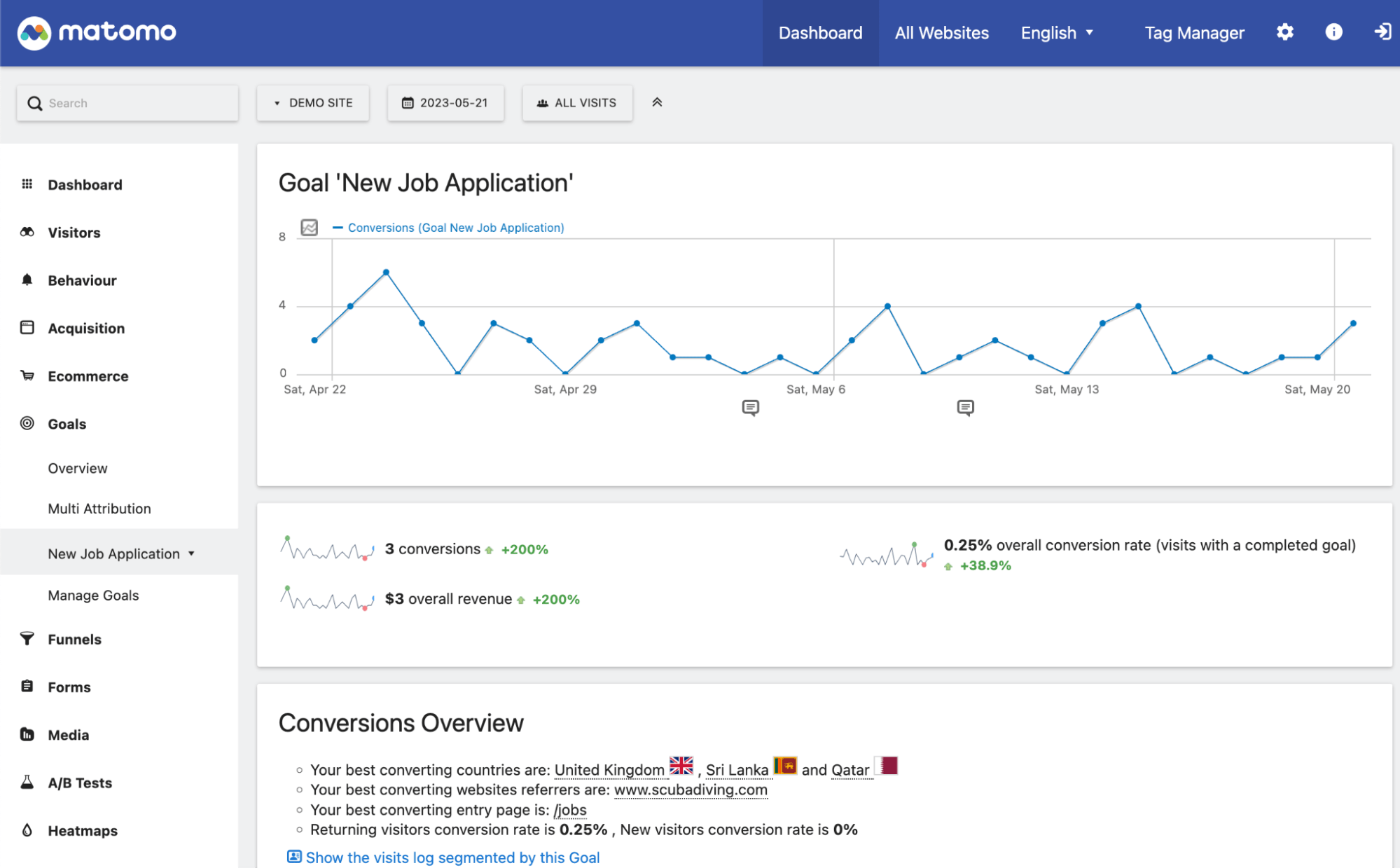
- Dedicated Plugin Integration: Many privacy-focused tools like Matomo or Plausible offer native WordPress plugins that handle the technical heavy lifting, such as syncing eCommerce events and displaying data directly on your dashboard.
- Custom Code Snippets: For a more lightweight approach, use a code snippet plugin to insert the tracking script into your site’s header or footer, which avoids the overhead of a full feature-heavy plugin.
- Server-Side or Measurement Protocol: Advanced stores can leverage API-based tracking to send events like completed transactions directly from the server, bypassing client-side browser issues and ensuring nearly 100% data accuracy.
Regardless of the tool you choose, always verify your implementation by enabling debug mode or using a real-time event view to confirm that critical actions—such as “add to cart” and “purchase”—are firing correctly with the right currency and payload parameters. This technical rigor ensures your growth initiatives are based on reliable data rather than incomplete session reports.
Ready to take your e-commerce to the next level?
While selecting a privacy-focused analytics tool is a critical step toward data sovereignty, the business reality for high-growth WooCommerce brands is that a tool without a cohesive strategy is just another source of vanity metrics. If your marketing efforts feel like they are stalling revenue despite high traffic, or if you suspect that gaps in your attribution are causing you to overinvest in the wrong channels, you are facing a structural data crisis. Relying on fragmented tracking or unoptimized consent management is not just a technical oversight; it is a direct compromise of your ability to scale Profit and Customer Lifetime Value (LTV) in an increasingly privacy-conscious landscape.
To move beyond basic data collection and build a high-performance growth engine, you need a partner that synchronizes your technical tracking with your broader commercial objectives. We act as a strategic extension of your team, helping DTC brands maximize ROAS and Retention through data-driven systems where CRM, paid media, and advanced analytics operate in perfect concert. Our process begins with rigorous, conversion-focused audits designed to eliminate guesswork and identify the exact bottlenecks in your customer journey. If you are ready to transition from intuition-based decisions to a scalable, privacy-compliant infrastructure that drives long-term growth, book a free marketing automation audit today.



Comments