

Most ecommerce brands treat the sale as the finish line for their ad tracking, feeding platforms nothing more than a generic “Purchase” event and moving on. That’s a significant missed opportunity — post-purchase data (order value, product category, repeat purchase behavior, customer lifetime value) is some of the richest signal available for improving how Meta and Google Ads actually target and optimize. In this article, we’ll walk through how to use post-purchase data to improve ad performance, build genuinely high-value lookalike and remarketing audiences, and boost ROAS by feeding platforms information that goes well beyond a single binary conversion event.
What Post-Purchase Data Actually Matters for Ad Optimization?
Not all post-purchase data is equally useful for ad platforms — the goal is identifying the specific signals that meaningfully differentiate high-value customers from low-value ones, since that differentiation is what platforms can actually optimize against.
The most valuable post-purchase data points:
- Order value and average order value trends: distinguishing high-spend customers from low-spend ones, useful for value-based bidding and lookalike audience quality.
- Product category and purchase pattern: revealing which products or categories correlate with higher lifetime value, informing which customers to prioritize replicating through lookalikes.
- Repeat purchase behavior: customers who reorder or purchase multiple times represent meaningfully higher value than one-time buyers, and this distinction should inform audience and bidding strategy.
- Customer lifetime value (LTV) tier: a more sophisticated signal than single-order value, reflecting the full relationship rather than just the initial transaction.
- Return and refund behavior: customers with high return rates may need to be excluded from certain audience-building efforts, since they don’t represent the profitable customer profile platforms should be optimizing to find more of.
The common mistake is sending platforms a single, undifferentiated “Purchase” event with no value or category context, then wondering why campaigns optimize toward converting anyone rather than converting the right customers. Ad platforms can only optimize as intelligently as the data they receive — a Purchase event with accurate order value passed through consistently gives Meta and Google meaningfully more to work with than a binary conversion signal alone, and richer post-purchase data compounds that advantage further.
How Can Post-Purchase Data Improve Value-Based Bidding?
Value-based bidding strategies on both Meta and Google Ads use the value passed with each conversion event to optimize toward higher-value outcomes, rather than simply maximizing conversion volume regardless of what each conversion is actually worth.
How post-purchase data strengthens this approach:
- Accurate order value passing: ensuring the actual transaction value (not an average or estimated figure) is passed with each Purchase event gives the bidding algorithm precise signal about what a conversion is actually worth.
- LTV-informed value signals: some advertisers pass a predicted or historical LTV value rather than just the immediate order value, allowing the algorithm to optimize toward customers likely to be valuable over time, not just on the first transaction.
- Category-specific value differentiation: if certain product categories reliably correlate with higher future LTV, weighting or flagging these purchases can help bidding algorithms prioritize acquiring customers who resemble your most valuable segment.
- Excluding low-value or refunded transactions from value signals: ensuring returned or refunded orders don’t continue contributing inflated value signals to ongoing bidding optimization.
The mistake many advertisers make is implementing value-based bidding technically (turning on the setting) without ensuring the underlying value data feeding it is accurate and complete. Value-based bidding is only as effective as the value signal behind it — if order values are inconsistently passed, missing for a portion of transactions, or don’t reflect actual LTV patterns, the algorithm optimizes toward a distorted picture of what “valuable” actually means for your business, undermining the entire strategy’s potential.
Why Do High-Value Lookalike Audiences Outperform Standard Ones?
Standard lookalike audiences are typically built from all customers or all purchasers, but high-value lookalike audiences are built specifically from your most valuable customer segment — and this distinction meaningfully affects the quality of new customers acquired.
The reasoning behind this approach:
- Standard lookalikes replicate average behavior: a lookalike built from your entire customer base, including one-time low-value purchasers, will find more people who resemble the average customer, not your best one.
- High-value lookalikes target the profile worth replicating: building a lookalike specifically from top-tier customers (by LTV, order frequency, or order value) helps the algorithm find new prospects who more closely resemble the customers actually driving profitability.
- Requires sufficient seed audience size: high-value segments need to be large enough for the platform’s lookalike algorithm to model effectively — an overly narrow segment (too few customers) may not generate a reliable lookalike audience.
- Should be refreshed periodically: customer value patterns shift over time, so a high-value lookalike audience built once and never updated gradually becomes less representative of current best-customer profiles.
The common assumption worth challenging is that a larger seed audience automatically produces a better lookalike. In practice, a smaller, more precisely defined high-value segment often outperforms a larger, less differentiated one, because the algorithm is being asked to replicate a more specific, more valuable customer profile rather than a broad average that includes plenty of low-value purchasers diluting the signal.
How Can You Feed Post-Purchase Data Into Meta and Google Ads Correctly?
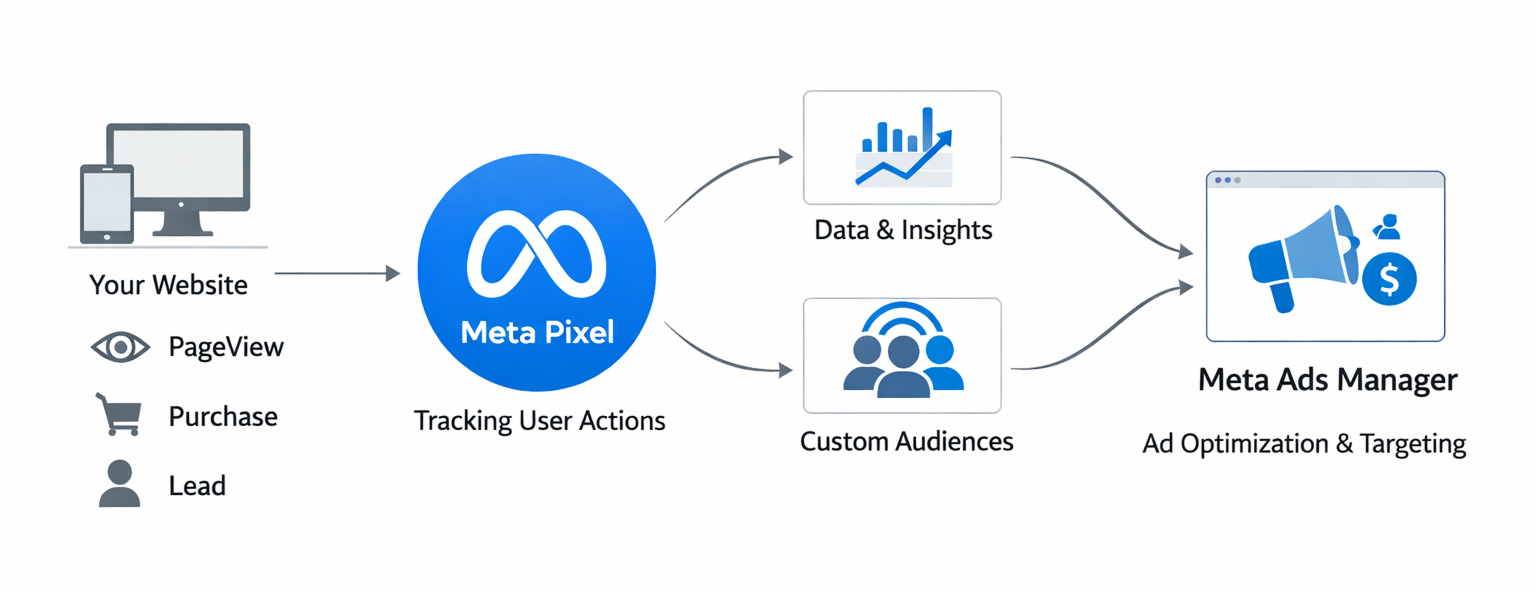
Getting post-purchase data into ad platforms accurately requires more than basic pixel or tag installation — it depends on order and customer data flowing reliably from WooCommerce into the platforms’ conversion and audience infrastructure.
The technical building blocks:
- Server-side tracking (Conversions API for Meta, Enhanced Conversions for Google), ensuring order value and customer data reach the platforms reliably, independent of client-side tracking limitations.
- Accurate, consistent order value passing with every purchase event, reflecting actual transaction value rather than estimated or default figures.
- Customer list uploads for lookalike seed audiences, built from segmented customer data (high-LTV, repeat purchasers) rather than the full customer list indiscriminately.
- Product category and metadata passing, where platform capabilities allow, enabling more granular optimization beyond a single undifferentiated Purchase event.
- Regular audience refresh cycles, updating lookalike seed audiences and value-based bidding inputs as customer behavior and value patterns evolve over time.
For WooCommerce stores, this depends fundamentally on how well order data, customer value tiers, and purchase history are structured and accessible — a store with clean, segmented customer data flowing into a properly configured CRM has a significant advantage here over one relying on default, unstructured order exports. The technical integration matters, but it’s only as good as the underlying data organization feeding it.
When Should You Refresh Post-Purchase Data Feeding Your Ad Campaigns?
Post-purchase data isn’t a one-time setup — customer value patterns, product performance, and purchase behavior all shift over time, and ad campaigns optimized against stale data gradually lose effectiveness even if nothing about the technical implementation has changed.
Signals that indicate a refresh is needed:
- Seasonal shifts in product mix or customer behavior: a high-value lookalike audience built from holiday-season purchasers may not represent the same profile during a different part of the year.
- Declining lookalike or value-based bidding performance: if campaign performance built on post-purchase data starts degrading without an obvious external cause, stale audience or value data is a common culprit worth investigating.
- Significant changes in product catalog or pricing: shifts in what you sell or how it’s priced change what “high value” actually looks like among your customers, requiring updated segmentation.
- Growth in overall customer base: as your customer list grows, refreshed lookalike seeds can better reflect your current, larger pool of high-value customers rather than an outdated, smaller historical segment.
The mistake to avoid is treating post-purchase data feeds as configured once and forgotten. Ad platforms perform best when the underlying data reflects current reality, not a snapshot from months or years earlier — building a regular cadence for reviewing and refreshing value-based bidding inputs and lookalike seed audiences protects the ongoing effectiveness of campaigns built on this foundation.
Ready to take your e-commerce to the next level?
If your Meta and Google Ads campaigns are converting but ROAS still feels stuck, the gap is often exactly here — platforms optimizing toward volume because they’ve never been given the post-purchase data needed to optimize toward value instead. A generic Purchase event tells an algorithm almost nothing about which customers are actually worth acquiring more of.
This is exactly the kind of gap we help DTC and ecommerce brands close. As an extension of your in-house team, we build data-driven systems where advanced tracking, CRM, and paid media on Google Ads and Meta Ads work together — so your campaigns are optimizing toward genuinely high-value customers, not just conversion volume. If you want to see what properly structured post-purchase data could do for your ROAS, book a free marketing automation audit and get a data-driven, conversion-focused view of your current setup.


Comments