


Operating a high-growth eCommerce brand without a rigorous data privacy framework is no longer just a legal gamble; it is a direct threat to your customer equity. While email remains the undisputed king of retention and ROI, the modern consumer is increasingly protective of their digital footprint, rewarding brands that demonstrate transparency and penalizing those that cut corners. In a marketplace where trust is the ultimate currency, treating GDPR compliance as a mere administrative checkbox rather than a core strategic pillar is a recipe for long-term reputational decay.
The reality is that sophisticated privacy management actually enhances the quality of your marketing database by ensuring every subscriber is a high-intent, active participant in your brand’s ecosystem. By shifting from a mindset of data collection to one of data stewardship, you can eliminate the friction caused by unreliable consent and build a resilient retention engine that scales securely. This discussion focuses on how to harmonize your aggressive revenue targets with strict regulatory standards, ensuring your email operations remain both compliant and exceptionally profitable.
What is GDPR email marketing?
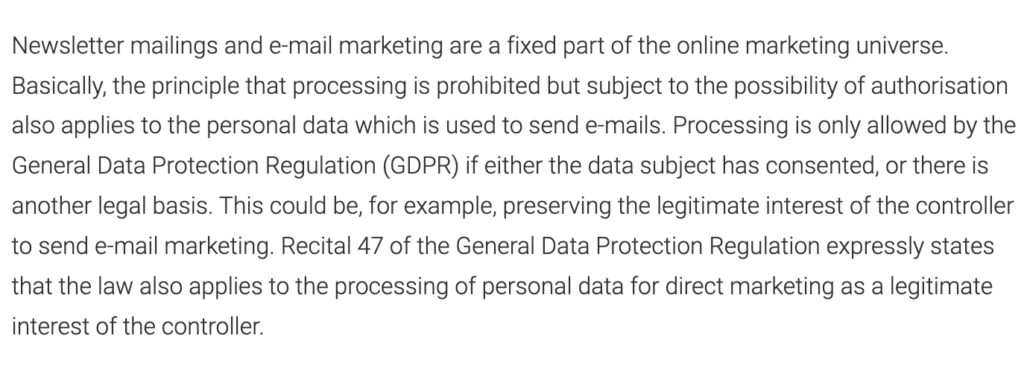
GDPR email marketing refers to the practice of sending commercial messages to individuals within the European Union in strict accordance with the General Data Protection Regulation. For WooCommerce store owners, this is not merely a legal hurdle but a fundamental shift in how customer data—such as names and email addresses—is collected, stored, and utilized. It necessitates a transparent relationship where the burden of proof for legal processing lies with the brand, ensuring that marketing efforts do not infringe upon individual privacy rights.
- Lawful Basis: You must identify a specific legal ground, typically explicit consent or legitimate interest, before any data processing occurs.
- Explicit Consent: Subscribers must perform a clear affirmative action, such as clicking an empty checkbox, to opt-in to marketing communications.
- Transparency: Brands must clearly disclose how data will be used, who will have access to it, and how long it will be retained at the point of collection.
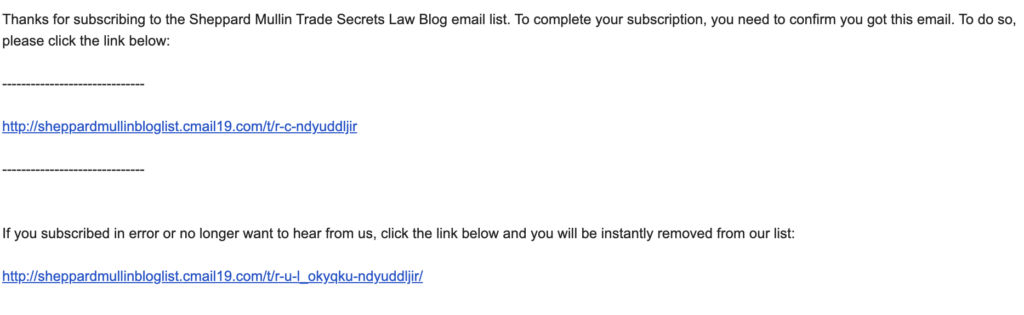
Operating within this framework requires moving beyond legacy “batch and blast” methods toward a precision-based strategy. By implementing GDPR-compliant workflows, such as double opt-ins and granular preference centers, high-growth eCommerce brands can significantly improve deliverability and engagement. This shift ensures that your marketing reach is built on a foundation of verified intent, which protects your sender reputation and fosters deeper trust with your customer base.
How does GDPR affect email marketing for WooCommerce?
For WooCommerce merchants, GDPR transforms email marketing from a simple broadcast tactic into a rigorous data management process. The regulation dictates that every piece of personal data—from a customer’s name to their purchase history—must be handled with explicit transparency. In a high-growth store, this means moving beyond default settings to ensure that marketing communications are built on a foundation of verifiable permission rather than assumed interest, effectively shifting the focus from quantity to the quality of your subscriber base.
- Explicit Consent Overhaul: You must decouple marketing opt-ins from your Terms and Conditions or the checkout “Place Order” button. This requires a separate, un-ticked checkbox that ensures users are making a conscious choice to receive promotional content.
- Data Portability and Erasure: Your WooCommerce backend must be configured to handle Subject Access Requests (SARs). You need the technical capability to export a user’s data in a structured format or erase it entirely—including from third-party email service providers (ESPs) connected via API—upon request.
- Audit Trails for Compliance: Documentation is the bedrock of GDPR. You must maintain a precise digital log of when and how consent was obtained (the IP address, timestamp, and specific form used) to provide evidence of compliance during a regulatory audit.
Ultimately, these requirements act as a catalyst for better data hygiene. By implementing these standards, WooCommerce brands reduce the risk of heavy non-compliance fines while simultaneously improving deliverability. When your list consists entirely of users who have explicitly opted in, your engagement rates rise and your sender reputation is protected, creating a more sustainable and profitable ecosystem for automated revenue growth.
Why is specific consent required for GDPR-compliant email marketing?
Under the GDPR, specific consent is a non-negotiable requirement designed to eliminate “blanket” approvals that often lead to irrelevant or unsolicited communications. For a WooCommerce store, this means that a single checkbox for terms and conditions cannot legally double as consent for your newsletter. Specificity ensures that the data subject is fully aware of each distinct processing activity, preventing “function creep” where data collected for one purpose—such as order fulfillment—is repurposed for marketing without explicit permission.
- Granular Choice: You must provide separate opt-ins for different types of communication, such as promotional offers, product updates, or third-party partner news, allowing customers to choose exactly what they receive.
- Unambiguous Action: Consent requires a clear affirmative act, meaning pre-ticked boxes are strictly prohibited. The user must manually check the box or take a deliberate action to signal agreement.
- Informed Transparency: To be valid, specific consent must be accompanied by the identity of the data controller and the exact purpose of the data usage, ensuring the subscriber is never misled about how their information is utilized.
Implementing specific consent not only secures legal compliance but also serves as a strategic filter for your WooCommerce brand. By requiring users to make a conscious, granular choice, you ensure that your mailing list is comprised of high-intent leads who actually want to engage with your content. This structural alignment between user intent and marketing delivery significantly improves deliverability rates and reduces the risk of spam complaints, ultimately protecting your domain reputation and long-term revenue growth.
How to implement GDPR-compliant opt-out options in WooCommerce?
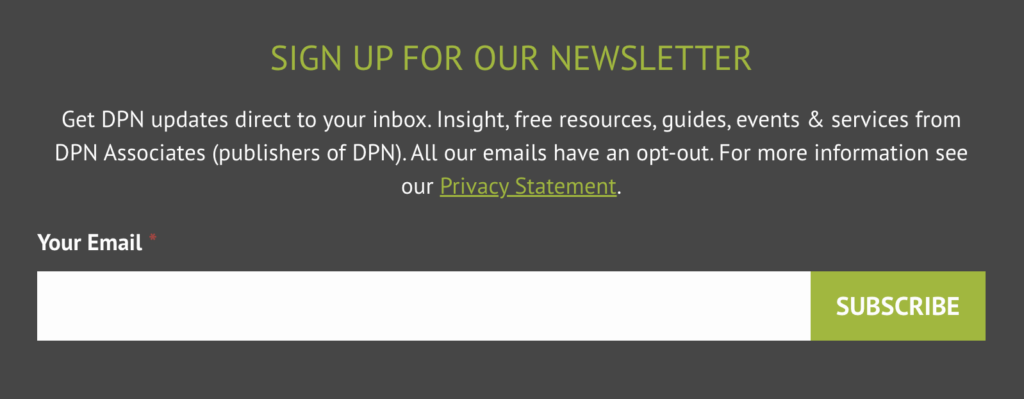
Implementing GDPR-compliant opt-out options in WooCommerce is not just a legal requirement but a fundamental practice for maintaining long-term deliverability and customer trust. Under the GDPR, the process for withdrawing consent must be as simple as the process for giving it. For high-growth brands, this means moving beyond a hidden footer link and providing a centralized, user-accessible preference center where customers can manage or revoke their data permissions at any time without friction.
- One-Click Unsubscribe Links: Every marketing email sent from your WooCommerce store must include a clearly visible one-click unsubscribe link. This link should direct the user to a confirmation page that immediately processes the request, ensuring that the withdrawal of consent is handled without requiring the user to log in or navigate multiple pages.
- Communication Preference Center: For brands with diverse marketing flows, a preference center allows users to opt out of specific categories—such as promotional offers or product updates—while remaining subscribed to essential transactional updates. This granular control reduces “all-or-nothing” unsubscribes and provides valuable data on customer intent.
- Native Account Dashboard Integration: Integrating opt-out controls directly into the WooCommerce “My Account” area empowers users to manage their privacy settings alongside their order history. This transparency signals to your audience that you value their data autonomy, which is a critical driver of brand loyalty in a privacy-first eCommerce landscape.
By automating the synchronization between your WooCommerce database and your email service provider, you ensure that any opt-out request is reflected across all marketing channels in real-time. Failure to honor these requests immediately can lead to structural deliverability issues and severe regulatory penalties. A proactive approach to opt-out management transforms a legal necessity into a strategic advantage by ensuring your active mailing list consists only of high-intent, engaged customers.
What are the best practices for GDPR email marketing security?
For high-growth WooCommerce stores, GDPR security isn’t just about obtaining consent; it’s about establishing a technical fortress around your customer data. For a growth consultant, the objective is to move beyond basic compliance toward a robust infrastructure that eliminates technical debt and mitigates the risk of costly data breaches. Securing your email marketing environment requires a multi-layered approach that prioritizes data integrity both in transit and at rest.
- End-to-End Encryption: Implement TLS (Transport Layer Security) for all email communications to protect data in transit. Ensure your database is encrypted to safeguard PII (Personally Identifiable Information) from unauthorized access, effectively neutralizing the impact of potential server-level exploits.
- Strict Access Controls: Utilize the Principle of Least Privilege (PoLP) within your WordPress and ESP (Email Service Provider) environments. Limit administrative access to only those who require it for campaign execution, reducing the internal attack surface.
- Automated Data Erasure: Configure automated workflows to identify and purge stale customer data or records from users who have exercised their “Right to be Forgotten.” This reduces your liability and ensures your marketing engine only operates on high-intent, active datasets.
By integrating these security protocols, you transform your compliance efforts into a competitive advantage. A secure, transparent data strategy fosters deep customer trust, which is the ultimate driver of long-term Customer Lifetime Value (LTV). For WooCommerce brands scaling in the EU, this technical resilience ensures that your marketing efforts remain sustainable and protected against the evolving regulatory landscape.
Ready to take your e-commerce to the next level?
While mastering the technicalities of GDPR compliance is a critical baseline for any WooCommerce store, the business reality is that privacy regulations are often treated as a compliance burden rather than a strategic asset for growth. If your retention efforts feel like they are stalling revenue expansion, or if you suspect that your current data collection methods are building a list of low-intent subscribers, you are likely missing the connection between trust and profitability. In a high-growth environment, true scale is achieved when privacy-compliant data collection and robust consent management serve as the foundation for deeper customer relationships and higher lifetime value.
To move beyond basic compliance and transform your data practices into a high-performance growth engine, you need a partner that integrates tracking, CRM, and automation into a unified, privacy-first system. We act as a strategic extension of your team, helping DTC brands maximize profit and ROAS by eliminating the guesswork inherent in fragmented tech stacks. Our process begins with rigorous, data-driven and conversion-focused audits to identify the exact bottlenecks in your customer journey and ensure your marketing automation is fully optimized for retention. If you are ready to build a scalable, privacy-compliant ecosystem that drives long-term LTV, book a free marketing automation audit today.


Comments