


The era of silent, unrestricted data harvesting is rapidly closing as consumer awareness regarding digital footprints reaches a critical tipping point. For high-growth eCommerce brands, the transition from aggressive tracking to explicit consent is no longer just a legal hurdle; it is a fundamental shift in how customer trust is earned and maintained. While many operators focus on the technical nuances of attribution, the real competitive advantage lies in demonstrating a proactive commitment to privacy that aligns with modern browser standards and user expectations.
Understanding the Do Not Track request is a vital component of this evolving privacy landscape, representing a significant signal from users who prioritize their data sovereignty. As major browsers increasingly ship with strengthened tracking controls by default, businesses must recalibrate their technical infrastructure to respect these choices without sacrificing the data-driven insights necessary for scale. This guide examines the strategic implications of DNT settings and provides a clear framework for implementing privacy-compliant tracking that safeguards your brand reputation in an increasingly transparent market.
What is a Do Not Track request and how does it work?
A Do Not Track (DNT) request is a browser-level privacy preference that signals a user’s desire to opt out of tracking by websites, analytics providers, and advertising networks. This preference is communicated via a specific HTTP header field sent from the user’s browser to the web server during every page request. For WooCommerce store owners, understanding this signal is the first step in aligning technical infrastructure with modern consumer privacy expectations.
- The Signal: When enabled in browser settings, the browser appends a “DNT: 1” header to all outgoing HTTP requests, serving as a clear indication that the user prefers not to have their activities tracked.
- The Response: Upon receiving the header, it is up to the individual website or third-party service to interpret and honor the request, as DNT is a voluntary technical standard rather than a legally enforceable mandate.
- The Scope: The signal is designed to limit organized behavioral tracking across the internet, which typically includes the collection of device configurations, web history, and location data for targeted advertising.
Technically, the DNT system operates at the transport layer of the web infrastructure, meaning the request is visible to your server before any page content is even rendered. While it was originally intended to be a uniform technological solution for privacy, its lack of an enforcement mechanism led many platforms to ignore the signal. In 2026, while DNT remains a valid way for users to express intent, it has largely been superseded by more robust, legally recognized standards like Global Privacy Control (GPC).

Why is respecting DNT settings critical for WooCommerce trust?
For high-growth WooCommerce stores, the relationship between data privacy and consumer trust is a decisive factor in long-term sustainability and purchase intention. Respecting “Do Not Track” (DNT) signals is a critical technical handshake that demonstrates a brand’s commitment to ethical marketing and user autonomy. In an environment where 72.8% of consumers express significant anxiety regarding personal data security, visibly honoring privacy preferences serves as a psychological assurance that mitigates perceived risk and fosters a sense of safety during the checkout process.
- Enhanced Brand Credibility: Proactively acknowledging DNT requests signals that your store respects people more than just data collection, building the high-level brand trust necessary to drive repeat business.
- Reduced Privacy Stress: By limiting the use of tracking cookies and browser fingerprinting for users who opt out, you reduce the “privacy stress” that often leads customers to abandon e-commerce platforms.
- Strategic Differentiation: While many legacy systems ignore DNT signals, a WooCommerce brand that integrates robust privacy management into its value proposition can turn compliance into a competitive advantage.
Failing to respect these privacy signals can lead to a structural erosion of trust that is difficult to recover. Research indicates that approximately 78.9% of consumers would stop engaging with a platform following a perceived privacy breach or misuse of data. By implementing privacy-led marketing strategies that honor consent and provide clear transparency, WooCommerce merchants can move beyond a “box-to-check” mentality toward a data-sharing model that clearly benefits the customer and supports scalable growth.
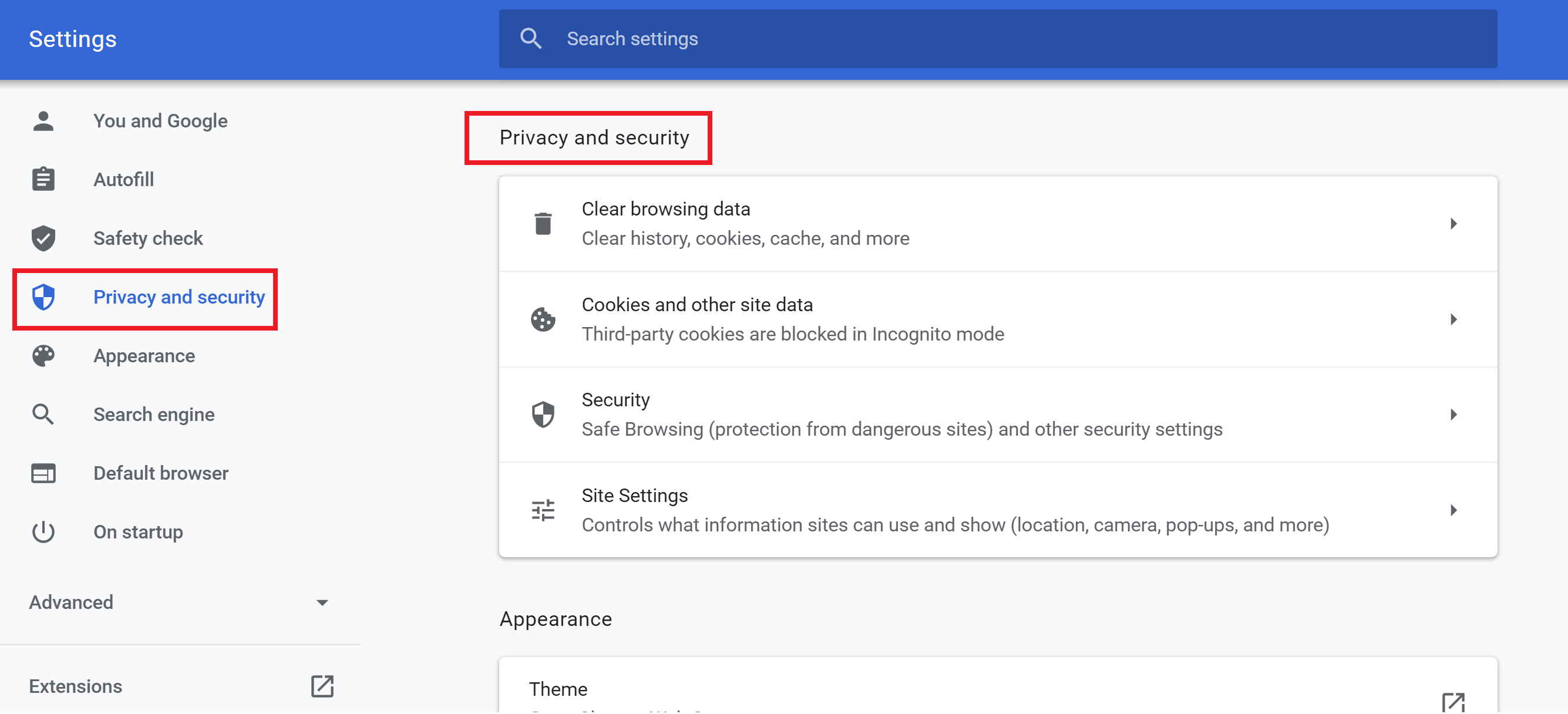
How do I enable Do Not Track in my browser settings?
Enabling Do Not Track (DNT) is a straightforward process across most modern browsers, allowing users to signal their preference against being tracked by advertisers and third-party services. While the effectiveness of this request depends on the website’s discretion, it remains a fundamental privacy setting for users who prioritize data autonomy. For high-growth WooCommerce brands, understanding these settings is vital for maintaining customer trust and ensuring that your store respects the privacy signals sent by your visitors.
- Google Chrome: Navigate to Settings, select Privacy and Security, then Third-party cookies, and toggle on Send a ‘Do not track’ request with your browsing traffic.
- Mozilla Firefox: Access the Settings menu, go to Privacy & Security, and locate the Enhanced Tracking Protection section to configure your DNT and tracking signal preferences.
- Microsoft Edge: Open Settings, choose Privacy, Search, and Services, and then enable the option to Send Do Not Track requests.
- Opera: Go to Settings, click Advanced, select Privacy & Security, and turn on the Send a ‘Do Not Track’ request with your browsing traffic feature.
Implementing these settings allows users to take a proactive stance in protecting their online behavior from common tracking methods like web beacons and browser fingerprinting. For WooCommerce merchants, aligning your site’s data collection practices with these user-defined signals is not just a technical requirement but a strategic necessity in the current privacy-first digital landscape.
What are the different methods used for website tracking?
For WooCommerce store owners, understanding the technical mechanics of website tracking is the first step toward balancing high-performance marketing with essential data privacy compliance. Tracking is the systematic process of recording online behavior—such as device configurations, location data, and shopping history—to fuel analytics and personalized advertising. While vital for optimizing conversion rates and revenue, these methods are increasingly scrutinized under frameworks like GDPR, which move beyond voluntary signals like Do Not Track (DNT) toward diretrizry informed consent.
- Tracking Cookies: Small text files stored on a user’s device that record interactions, remember login details, and follow behavior across different sessions or even separate websites.
- Web Beacons: Often called “pixel tags,” these are tiny, transparent images embedded in web pages or emails that notify a server when the content has been viewed, providing a basic but effective audit trail of user engagement.
- Browser Fingerprinting: A sophisticated technique that aggregates non-private data—such as screen resolution, installed fonts, and operating system—to create a unique “fingerprint” of a device, allowing for identification even when cookies are blocked or cleared.
Relying on a single tracking method often results in incomplete data, making a multi-layered approach necessary for a true understanding of the customer journey. By implementing privacy-compliant tracking tools, such as advanced WordPress modules that block third-party scripts until consent is granted, brands can build a foundation of trust while still gaining the insights needed for sustainable business expansion.
How to implement privacy-compliant tracking for revenue growth?
Implementing privacy-compliant tracking in a WooCommerce environment is no longer just a legal hurdle; it is a strategic shift toward building sustainable customer trust. For high-growth brands, the disappearance of third-party cookies means moving toward a “privacy-by-design” framework where data collection is transparent, ethical, and based on clear value exchanges. By respecting browser signals like Do Not Track (DNT) and aligning your infrastructure with consumer permissions, you create a trusted data foundation that actually improves marketing impact through higher-quality first-party data.
To balance rigorous privacy standards with revenue-driving analytics, WooCommerce store owners should adopt the following technical and strategic integration points:
- First-Party Data Prioritization: Shift your focus from surveillance-based third-party tracking to collecting zero-party and first-party data directly from customer interactions, which ensures higher accuracy and compliance.
- Privacy-By-Design Infrastructure: Embed privacy requirements directly into your standard operating procedures and technical workflows, ensuring that safeguards are active from the inception of any new marketing campaign or tool.
- Transparent Value Exchange: Clearly communicate your data policies to users, explaining how their information is used to improve their shopping experience, thereby converting compliance into a competitive advantage that fosters long-term loyalty.
By proactively shifting your privacy strategy “left”—considering data protection at the earliest stages of development—you reduce the risk of regulatory setbacks while enhancing overall product quality. This approach ensures that your WooCommerce store remains resilient during evolving technological and regulatory shifts, allowing for personalized experiences that do not compromise user control or security.

Ready to take your e-commerce to the next level?
While mastering the technical nuances of Do Not Track (DNT) settings is a critical first step for privacy compliance, the business reality for high-growth WooCommerce brands is that privacy without a robust data strategy is a recipe for stalled revenue. If your customer acquisition costs are rising or if you suspect that increasingly stringent browser privacy signals are creating a silent ceiling on your ROAS, you are facing a structural barrier to scale that simple opt-out toggles cannot solve. Relying on fragmented tracking or failing to synchronize consent management with your marketing engine is not just a compliance risk; it is a direct compromise of your ability to build the high-fidelity first-party data sets required for modern eCommerce growth.
To move beyond basic compliance and build a privacy-first growth engine, you need a partner that integrates consent management directly into a scalable, data-driven system. We act as a strategic extension of your team, helping DTC brands maximize Profit, Retention, and LTV through unified architectures where CRM, automation, and advanced tracking operate in perfect concert. Our process begins with rigorous, conversion-focused audits to eliminate guesswork and ensure your technical backend is optimized for both privacy and performance. If you are ready to transition from manual tracking workarounds to a sophisticated, compliant infrastructure that drives sustainable long-term growth, book a free consultation today.



Comments